
Peer Review
A review process designed to be rigorous, proportionate and accountable.
The journal is being designed around double-anonymised external peer review for research articles, with editorial screening before review and independent handling where conflicts arise.
Planned workflow
Editorial screening will consider scope, scholarly contribution, ethical adequacy, methodological fit and basic reporting quality. Manuscripts proceeding to review will ordinarily be evaluated by at least two qualified reviewers. Decisions will distinguish clearly among reject, major revision, minor revision and accept; acceptance will not be based on author status, institutional prestige or presumed citation potential.
Review quality
Reviewers will be asked to evaluate the coherence between research questions, theory, method, evidence and claims. The journal will discourage requests for unnecessary citation, coercive citation, methodological gatekeeping unsupported by the research question, or demands that authors make claims broader than their evidence warrants.
Reviewer responsibilities and independence
The planned double-anonymised process will require reviewers to identify potential conflicts before accepting an assignment, preserve the confidentiality of manuscripts and refrain from exploiting privileged research information. Editorial screening will precede external review; reviewers will be chosen for demonstrated disciplinary and methodological competence rather than affiliation, personal proximity or institutional prestige.
Constructive review should make the basis of a recommendation intelligible. It should distinguish between limitations that affect the validity of a conclusion and improvements that concern clarity of presentation or a justified alternative theoretical position. Requests for additional analysis or new data must be proportionate to the research question and the evidence already available.
Decisions, appeals and research integrity
The handling editor will consider the reviewers' reasoning and the manuscript's contribution, rather than treating reviewer votes as an automatic decision rule. Disagreements may warrant additional specialist assessment. Decisions involving conflicts of interest, including any manuscript authored by the founding Editor-in-Chief, must be delegated to an independent editor with no role for the conflicted person in reviewer selection or acceptance.
A documented procedure for appeals, complaints, potential research-integrity concerns and post-publication correction must be tested before formal submissions open. These commitments describe the intended editorial model; they are not a claim that completed peer-review cases already exist.
Interested scholars may consult the international call for reviewers.
Two independent assessments and evidence-sensitive decisions
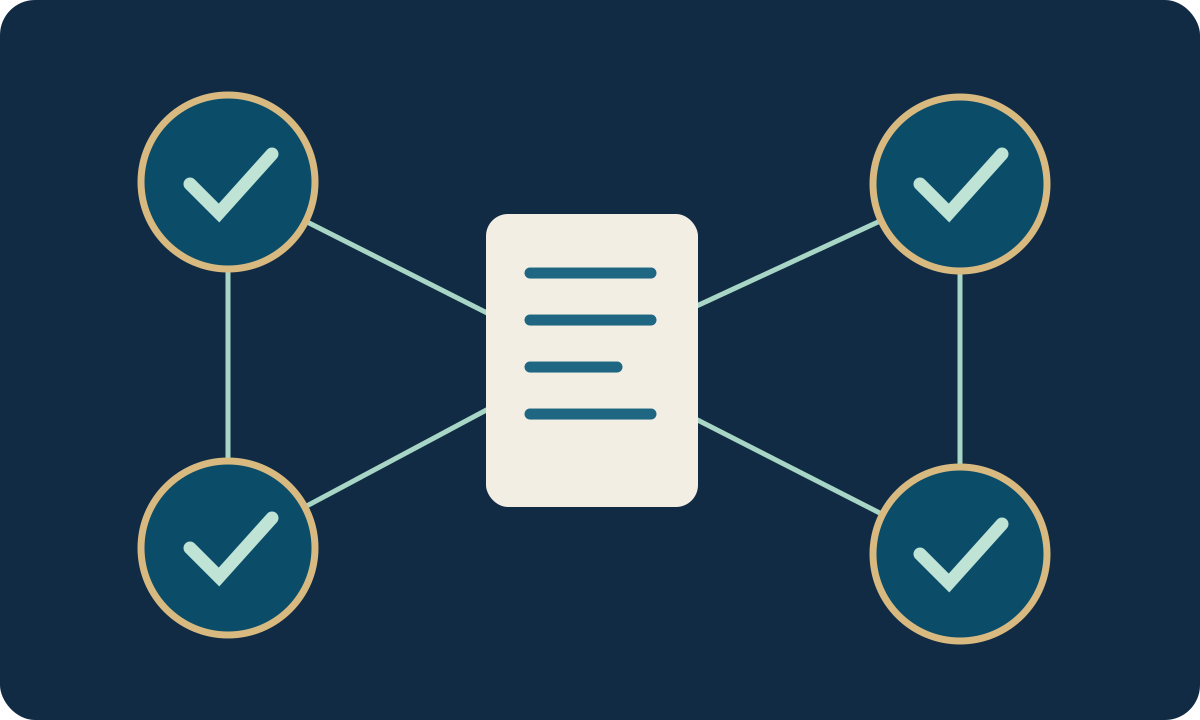
For future research-article submissions, the journal plans to seek at least two independent, appropriately qualified external reviews, with documented exceptions only where the disciplinary or article-type policy expressly permits an alternative. An editor must assess the reasons supporting each recommendation; numerical agreement among reviewers cannot substitute for evaluation of evidence, method, context and relevance. Editors and close collaborators will not handle their own manuscripts, and an independent editor will document any necessary reassignment.
Responsible use of automated tools by reviewers
Peer-review reports should reflect the reviewer's own critical reading and subject or methodological expertise. Confidential article text and research-participant data must not be supplied to unapproved generative-AI services. AI-generated review recommendations should not replace independent scholarly judgement. Any journal-approved limited use of automated tools will be subject to confidentiality safeguards, disclosure as applicable and human verification.
Process transparency without invented performance figures
Once the editorial platform opens, the journal intends to record dates for submission, reviewer invitation, receipt of reports, revision, decision and publication. Acceptance rates, time-to-decision statistics and reviewer activity will only be published when they can be calculated from genuine completed records; no estimated or promotional figures are presented during founding. The publication-ethics policy explains related provisions for authorship, complaints, AI use and corrections.
Structured reviewer report: proposed first-party editorial form
The future private reviewer workspace will distinguish the critical evaluation made for authors from confidential editorial information. Reviewers will be asked to make a reasoned assessment of theoretical framing, suitability of methodology, evidence integrity, contextual interpretation and clarity. The dimensions below are prompts for explanation rather than numbers whose sum determines acceptance.
- Contribution and fit: What substantive educational question is addressed, and how does the inquiry advance or revise the relevant scholarship?
- Research design: Are questions, sampling, instruments, analysis and methodological assumptions aligned? What are the most consequential limitations?
- Evidence and argument: Are interpretations supported by the data or sources actually presented, with defensible claims about transferability or generalisability?
- Ethics and participant protection: Are consent, appropriate oversight, research integrity and confidentiality addressed, with particular care for learners and minors?
- Revisions and recommendation: Identify essential revisions separately from optional improvements; provide an evidence-based recommendation to the handling editor.
Confidential channel: potential identity or integrity concerns and declared conflicts must reach the editor through access-controlled first-party editorial fields, never through a public website form. A reviewer cannot view another reviewer's private comments or make the final editorial decision. The form becomes operational only after native first-party editorial permissions and end-to-end tests are certified.